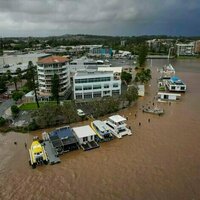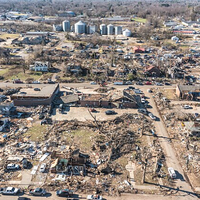


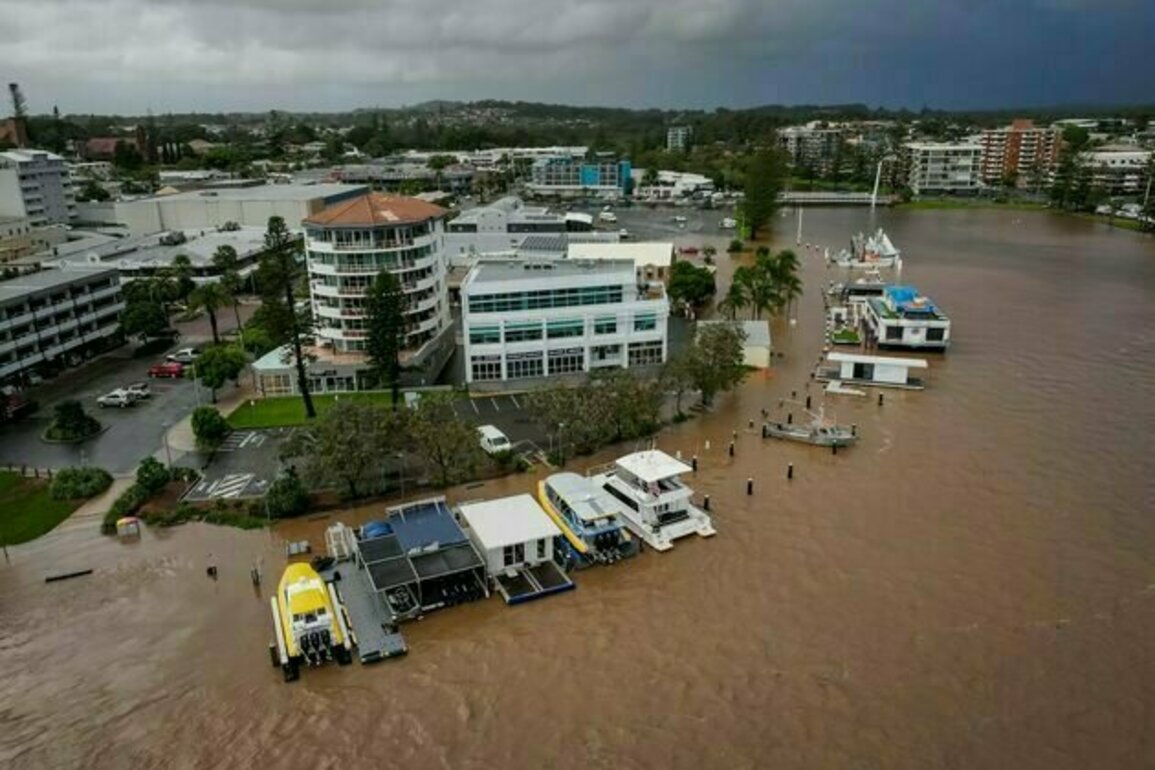
Floodwaters have engulfed large parts of New South Wales, with at least one person dead and almost 50,000 evacuated after days of heavy rainfall in a "one-in-500-year" flood event. The scale of the disaster is still unfolding and affected communities will be recovering for some time to come.
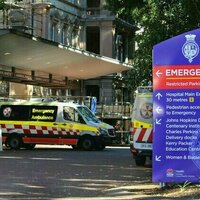
One question worth asking is: how ready are our hospitals to cope when disaster strikes?
A growing body of research, including our own, has looked at how hospitals might contend with disasters like floods, bushfires, heatwaves, cyclones or even mass injury events such as a stadium collapse. The answer? There's room for improvement.
Australia is already prone to natural disasters, which are expected to become more frequent and severe as the climate changes.
Research around the world shows hospital administrators can better plan for how they'd cope if a disaster or terrorist attack wiped out their hospital's capacity to function normally.
In March 2022, rapidly rising floodwaters on Australia's east coast posed an imminent threat to Ballina Hospital, on the NSW far north coast.
With a few hours' notice, staff safely evacuated the whole hospital to a nearby high school. This included 55 patients, essential equipment, supplies and medications.
Our study documented this remarkable achievement via seven interviews with doctors and nurses integral to the evacuation.
Several key themes emerged:
Some workers, dealing with their own personal losses during the evacuation, had to be sent home. One staff member told us:
There were a couple of nursing staff who also lived within the flood risk area, and they had children at home, so we needed to let them go home.
Another said:
We did end up with almost too many people wanting to help, which is lovely, but it becomes a problem because we don't need this many people.
A third staff member said:
Everybody was accounted for. We had a list of patients at one end and then when they got there, they put a new list of who was there and who was coming; that was all written on a big whiteboard.
Natural disasters aren't the only kind of catastrophe for which hospitals must prepare.
Our research has also looked at how hospitals might contend with a human-made disaster such as a mass casualty or injury event.
Our team studied a mass casualty simulation exercise at one of Australia's largest public hospitals.
More than 200 hospital staff participated in the threehour long exercise, which simulated a semitrailer crashing into a stadium grandstand. Some 120 "patients" were taken to the hospital with crush, burn, smoke inhalation and other injuries.
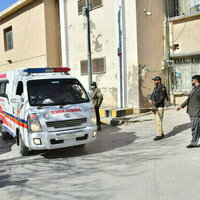
In the simulation, clinicians had to adapt quickly. New patients were continuously coming via the ambulance ramp and private cars.
Participants had to make rapid collective decisions on treatment and transfers based on patient conditions and severity.
During the exercise, additional random disruptive scenarios were introduced to test the clinicians' ongoing responses. This included the city mayor repeatedly calling the Hospital Emergency Operations Centre for updates.
Some key challenges included:
We also observed hospital staff adapting to the situation. This included:
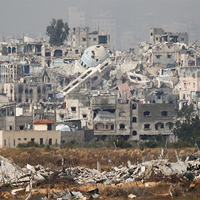
Research shows that despite many hospitals having excellent, longstanding hospital disaster management plans, things can still go wrong. After the Fukushima nuclear accident in Japan, nearly half of evacuated stroke and renal failure patients died in vehicles or on arrival to another hospital.
Learning from hospital responses to disasters can help hospitals prepare for the future.
Overall, our research shows many Australian hospitals have excellent disaster preparedness planning. However, some areas require improvement well before disaster strikes. Adapting on-the-fly as your hospital is inundated with floodwater or struck by another disaster means things have been left too late.